


Spring into Action: Managing Seasonal Eye Allergies in 2026
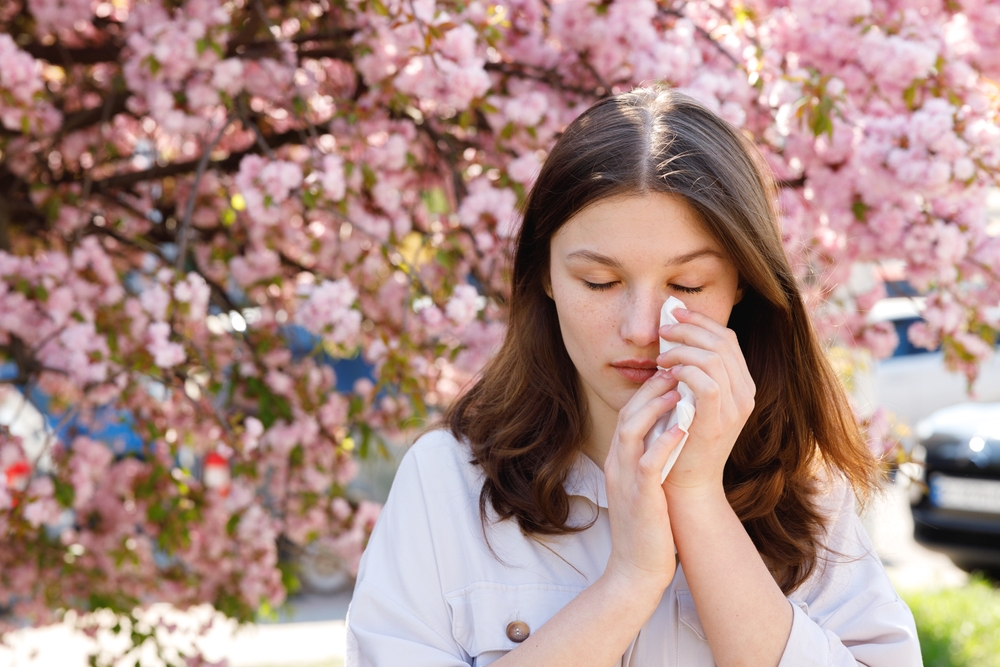
Spring has officially arrived, and while the blooming landscapes are a sight to behold, they bring an invisible guest: the "pollen bomb." If your eyes are feeling itchy, watery, and red, you aren’t alone. Seasonal Allergic Conjunctivitis is one of the most common reasons for eye doctor visits this time of year.
At Optics & Eye Care, we want you to enjoy the outdoors without the irritation. Here is our comprehensive guide to understanding and treating spring eye allergies.
1. What Exactly is Happening to Your Eyes?
When pollen, mold, or dust comes into contact with your eye, your immune system overreacts. It perceives these harmless particles as a threat and triggers the release of histamine.
Histamine causes the blood vessels in your conjunctiva (the clear membrane covering the white of your eye) to swell, leading to:
2. The Defense Strategy: Environmental Controls
The best medicine is avoidance. While you can't live in a bubble, you can drastically reduce your exposure:
3. Relief Without the Prescription
If the itch has already started, you can find significant relief using drug-free methods at home:
4. The Contact Lens Dilemma
During spring, contact lenses can act like "pollen magnets." Allergens stick to the lens material, trapped against the eye.
5. Treatment Options: From OTC to Clinical Relief
When environmental controls and cold compresses aren't enough, there are several medical paths to take. It is important to match the treatment to the severity of your symptoms.
Over-the-Counter (OTC) Solutions
Antihistamine Drops: Modern OTC drops (like those containing ketotifen or olopatadine) are highly effective. They work by blocking histamines from attaching to the receptors in your eye.
Mast Cell Stabilizers: These drops prevent the "mast cells" in your eyes from releasing histamines in the first place. They are best used before allergy season starts as a preventative measure.
Prescription-Strength Relief
Combination Drops: Your eye doctor can prescribe dual-action drops that provide immediate relief and long-term stabilization. These are often more potent and longer-lasting than OTC versions.
Topical Corticosteroids: For severe inflammatory reactions, a short course of steroid eye drops may be necessary. Caution: These must only be used under strict medical supervision by your optometrist to monitor eye pressure.
Oral Medications
Oral Antihistamines: While these help with sneezing and runny noses, they can often have a side effect of drying out your eyes, which may actually make the "itchy" feeling worse. If you take oral allergy meds, be sure to increase your use of lubricating artificial tears.
❓ Frequently Asked Questions (FAQ)
Q: How do I know if it’s allergies or Pink Eye?
A: The main differentiator is itchiness. If your eyes itch intensely, it is almost certainly allergies. Pink Eye (Infectious Conjunctivitis) usually involves a thick, sticky discharge and may affect only one eye at first.
Q: Can I use "redness relief" drops for my allergies?
A: We strongly recommend avoiding "decongestant" drops that promise to "get the red out." These can cause rebound redness, where the eyes become even redder and more irritated once the drops wear off. Stick to antihistamine or lubricating drops.
Q: Does rubbing my eyes make it worse?
A: Yes! Rubbing your eyes causes "mast cells" to break open and release even more histamine into the tissue. This creates a vicious cycle of itching and swelling. Instead of rubbing, use a cold compress.
Don't let allergies dim your spring. If your symptoms are persistent, we can provide prescription-strength relief. Schedule your appointment at opticsandeyecare.com today!

All Eye
Care Services

Keep
In Touch
MAP
Powered by: 