


From Sunglasses to Safety Goggles: Matching Eyewear to Your Favorite Hobby
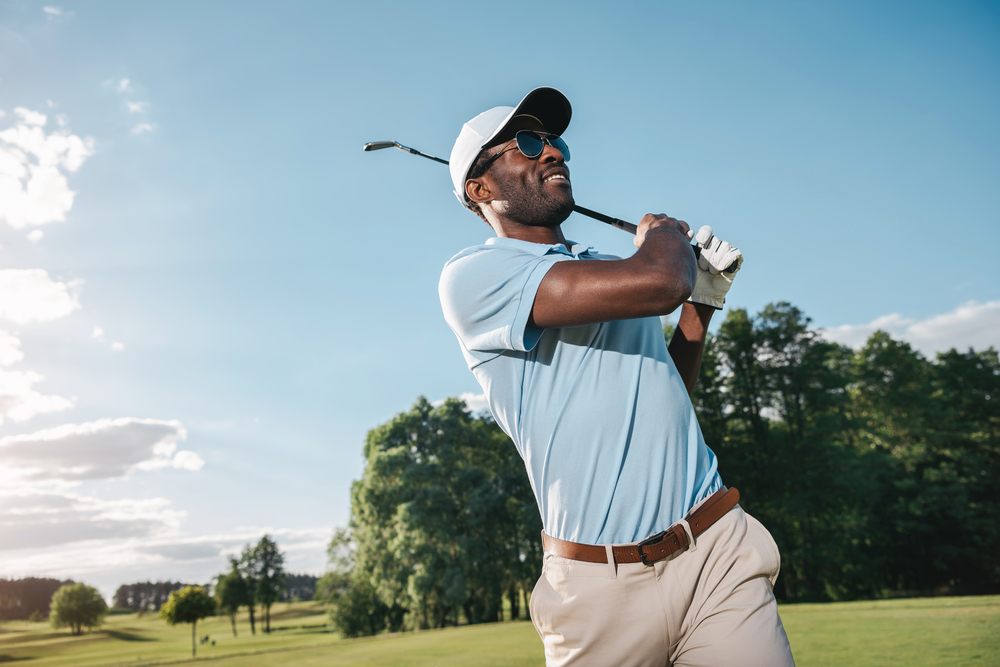
Your eyes are your most important tool, whether you’re casting a line, hitting the bike trails, or lining up a putt on the green. Just as you wouldn't wear hiking boots to the beach, you shouldn't rely on a single pair of standard sunglasses for every activity.
Matching your eyewear to your hobby isn’t just about looking good—it’s about performance, safety, and long-term eye health. Here is how to match the right lens and frame technology to your favorite pastimes.
1. Fishing: The Power of Polarization
If you spend time on the water, you’re dealing with intense glare reflecting off the surface, which causes "veiling glare" that masks what’s beneath the surface.
- The Technology: Polarized lenses are non-negotiable. They contain a vertical filter that blocks horizontal light waves (glare).
- The Benefit: By cutting through surface reflection, you can see deep into the water, helping you spot fish, rocks, or underwater structure.
- Pro-Tip: Opt for copper or amber tints for fishing. These colors provide excellent contrast, making it easier to distinguish movement against the water’s background.
2. Cycling: Wind, Dust, and Contrast
Cyclists face a unique challenge: high speeds mean your eyes are constantly exposed to wind, insects, and road debris, all while navigating rapidly changing light conditions.
- The Technology: Wraparound frames are essential to create a seal against wind and debris.
- The Benefit: A tight-fitting frame prevents your eyes from drying out, which is common at higher speeds.
- Pro-Tip: Look for photochromic lenses (lenses that transition from clear to dark) or interchangeable lens systems. If you’re riding through dappled shade and bright sun, a rose or bronze tint is often superior to dark gray because it helps your eyes quickly identify changes in road texture and potholes.
3. Yard Work & DIY: Impact Resistance
We often forget that the most dangerous environment for our eyes is often right at home. Lawnmowers, weed whackers, and power tools can turn small pebbles into high-velocity projectiles.
- The Technology: ANSI Z87.1-rated safety eyewear. Standard fashion sunglasses do not provide adequate protection against high-velocity impact.
- The Benefit: Polycarbonate lenses, when housed in a safety-rated frame, can withstand significant force that would shatter standard glass or plastic lenses.
- Pro-Tip: Even if you aren't doing the work yourself, be a spectator with safety specs. Bystanders are frequently injured by debris kicked up by nearby machinery.
4. Golf: Precision and Contrast
For golfers, the right eyewear is all about reading the course. Traditional sunglasses often make it harder to track the ball against the sky or read the subtle breaks on a green.
- The Technology: High-contrast, non-polarized (or lightly polarized) lenses. While deep polarization is great for water, many golfers prefer high-contrast lenses that enhance the separation between the ball, the fairway, and the green.
- The Benefit: Specialized golf tints (often rose or amber-based) accentuate the contours of the putting surface, helping you read the grain and slope of the green more accurately.
- Pro-Tip: Look for rimless or "bottom-rimless" frame styles. When you address the ball and look down, you don't want a frame obscuring your view of the turf.
❓ Frequently Asked Questions (FAQ)
Q: Why do many golfers avoid heavily polarized lenses?
A: Heavy polarization can sometimes interfere with depth perception and the ability to read the "grain" of the grass on a green. Many professional golfers prefer high-contrast, non-polarized lenses because they provide the necessary light filtration without altering the visual cues of the putting surface.
Q: What is the best lens color for golf?
A: Rose, amber, and bronze tints are the gold standard for golf. They boost the contrast of the white golf ball against the blue sky and green grass, making the ball easier to track in flight and helping you read the subtle undulations of the green.
Q: Do I need impact resistance for golf?
A: While not as high-risk as power tool use, golf involves high-velocity movement. Polycarbonate lenses are still highly recommended to protect your eyes from the rare, but dangerous, possibility of a ball strike or a "topped" shot kicking up gravel.
Don’t let inadequate eyewear hold you back. If you’re looking for sport-specific prescription solutions, schedule a consultation with our team at opticsandeyecare.com to find the perfect fit for your lifestyle!

All Eye
Care Services

Keep
In Touch
MAP
Powered by: 